
When a major telecommunications provider strategically positions fourteen new retail outlets across France, the decision-making process behind each location offers valuable insights that extend far beyond mobile phones and internet packages. For craft brewery owners and entrepreneurs in the brewing industry, understanding how established retail brands select their sites can illuminate the path to successful placement of taprooms, brewpubs, and bottle shops. The principles that guide corporate expansion—proximity to target customers, visibility, accessibility, and complementary neighbouring businesses—translate remarkably well to the hospitality and beverage sectors, where creating a welcoming destination is paramount.
- Craft breweries can learn from large retail chains by using data-driven site selection based on footfall patterns, demographics, and competitive analysis.
- Positioning taprooms near anchor tenants or complementary businesses like restaurants and cultural venues helps capture existing leisure-seeking crowds.
- A balanced expansion strategy, mixing high-density urban centers with accessible suburban locations, allows breweries to tailor their formats to local needs.
- Modern retail spaces demonstrate that successful locations prioritize experiential design over simple transactions to foster customer loyalty and community.
- Effective brewery management involves segmenting audiences through thoughtful interior design and varied service offerings to accommodate different types of customers.
- Launch events and collaborative promotions are essential strategies for breweries to generate initial awareness and integrate successfully into a new neighborhood.
Strategic site selection: what retail giants can teach craft breweries
The careful choreography of opening multiple locations simultaneously reveals a sophisticated understanding of market dynamics. When retail giants choose their spots, they analyse footfall patterns, demographic profiles, and competitive landscapes with meticulous attention. Craft breweries can adopt similar analytical rigour when scouting for their next location. Just as telecommunications shops benefit from positioning near supermarkets and shopping centres where customers already congregate, breweries thrive when they establish themselves in areas with existing leisure and hospitality infrastructure. The lesson is clear: analyse not just where people live, but where they naturally gather and how they move through their daily routines.
High-footfall locations and anchor tenant benefits
Positioning retail spaces within established commercial complexes alongside major supermarket chains demonstrates an understanding of anchor tenant dynamics. These large-format retailers generate consistent traffic, and smaller, specialised businesses benefit from the overflow. For craft beer enthusiasts seeking their next favourite venue, the same principle applies to brewery placement. A brewpub situated near popular restaurants, entertainment venues, or cultural attractions inherits a ready-made audience already in the mood for leisure and discovery. The proximity to Belgium has long benefited French breweries, as the geographic closeness to one of the world's great brewing nations creates natural interest and expertise. Similarly, selecting a location near complementary businesses—whether that's artisan food markets, independent cinemas, or live music venues—can create a halo effect that draws curious customers through your doors.
Balancing urban centres with suburban accessibility
The distribution of new outlets across both metropolitan Paris and other cities reflects a balanced approach to market coverage. Urban centres offer density and diversity, whilst suburban locations provide accessibility and parking convenience that appeals to families and groups. Craft brewing establishments face the same strategic choice. A canalside brewery with scenic views might attract weekend visitors seeking an experience, whilst a more centrally located bottle shop serves the daily needs of local residents. The Paris beer guide approach to documenting venues reveals how different neighbourhoods support different brewery formats. A cosy venue tucked into a residential quarter serves a different purpose than a large modern brewpub with an extensive menu located in a commercial district. Understanding which format suits which location type is fundamental to success.
Creating destination experiences: from mobile shops to taprooms
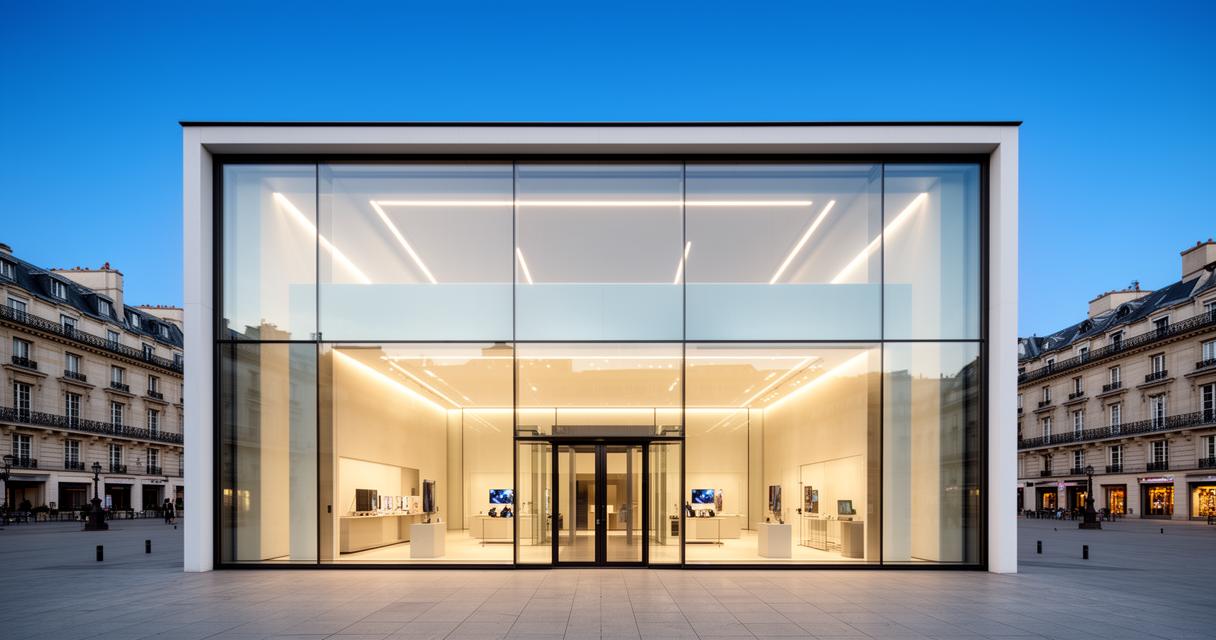
Retail spaces have evolved beyond mere transaction points into experiential destinations where customers linger, explore, and engage with brands. The emphasis on animations and promotional events at newly opened shops recognizes that modern consumers seek more than just products—they want memorable interactions. This philosophy translates beautifully to the craft brewing scene, where taprooms and brewpubs succeed by creating atmospheres that encourage socialising, discovery, and community building. The rustic bar aesthetic, the sociable atmosphere cultivated by thoughtful design, and the opportunity to sample before committing to a purchase all contribute to an experience that keeps customers returning.
Transforming shopping visits into memorable customer journeys
When retail spaces dedicate effort to creating engaging in-store experiences, they acknowledge that customer loyalty stems from emotional connection as much as product quality. For breweries, this principle manifests in the design of tasting rooms, the knowledge and enthusiasm of staff, and the storytelling around ingredients and brewing processes. A venue that opens midday and offers a carefully curated selection of French beer creates a different journey than a busy venue with both beer and natural wines that caters to after-work crowds. The two-level establishment that caters to different crowds on each floor demonstrates sophisticated audience segmentation. Understanding that some customers seek quiet conversation whilst others want vibrant energy allows a single venue to serve multiple purposes and maximize its appeal.
Promotional events and community engagement strategies
The launch events and promotional activities surrounding new retail openings serve multiple purposes: they generate awareness, create urgency, and begin the process of community integration. Craft breweries excel when they adopt similar strategies. Tap takeovers featuring indie French beers, collaboration events with local food producers, and educational sessions about brewing techniques all serve to deepen customer engagement. The international beer selection offered by some venues attracts diverse audiences and positions the establishment as a destination for exploration rather than just routine consumption. Promotional pricing during launch periods can introduce new customers to premium offerings they might otherwise overlook, with the understanding that quality and experience will bring them back even when prices normalize to the nine to ten euro range typical for top indie beers.
Adapting retail principles to brewery location planning
Translating lessons from telecommunications retail to craft brewery placement requires understanding the unique dynamics of hospitality businesses. Whilst both sectors depend on location, breweries must balance the practical considerations of production facilities with the experiential demands of customer-facing spaces. The bottle shop model offers flexibility, requiring less space and infrastructure than a full brewpub, making it suitable for areas where property costs are prohibitive or where alcohol licensing for on-premises consumption proves challenging. Conversely, the full brewpub experience with food service and event space requires more substantial investment but creates a more immersive destination that can justify higher prices and longer customer dwell times.
Understanding your target audience: demographics and preferences
Different formats within the craft beer ecosystem appeal to distinct demographic segments. The modern brewpub with a large menu attracts groups and families seeking a complete dining experience alongside their beverages. The indie beer bar in a tourist district serves visitors looking for authentic local experiences, whilst the cosy bar with a sociable atmosphere becomes a neighbourhood regular haunt. Understanding which audience you aim to serve—and locating your establishment where those people already gather—fundamentally shapes success. The craft beer enthusiast who actively seeks out new venues represents a different target than the casual drinker who stumbles upon your location during other activities. Both are valuable customers, but they require different location strategies and marketing approaches.
Partnership opportunities with established retail spaces
The positioning of telecommunications shops within major retail complexes suggests an avenue that craft breweries might explore more aggressively. Food halls, market spaces, and mixed-use developments increasingly welcome breweries as anchor tenants that drive foot traffic and create vibrancy. These partnerships offer reduced risk compared to standalone locations, as the landlord has vested interest in creating a successful tenant mix. For breweries, the presence of complementary businesses—artisan cheese vendors, bakeries, specialty food shops—creates natural cross-promotion opportunities. The customer who purchases farmhouse cheeses naturally becomes interested in pairing beverages, whilst the brewery patron might discover new food products. These synergies benefit all parties and create destinations where customers plan to spend time rather than simply passing through. The selection of locations near popular retail spots demonstrates understanding that convenience and complementary offerings matter as much as the core product itself. Whether selling mobile plans or craft beer, success depends on being where your customers already are, creating experiences that exceed expectations, and building community connections that transform transactions into relationships.